Explore the impactful initiatives of the Kenyan Program on Pedagogies for Community (KPPC) that contribute to fostering unity, understanding, and sustainable development in Kenya.
Fostering conversations and understanding among diverse religious communities in Kenya.
Promoting appreciation and respect for the diverse cultures that make up Kenyan society.
Contributing to initiatives that support the sustainable development of communities in Kenya.
Actively involving communities in KPPC’s programs for a collective and inclusive impact.
Building the Kenyan school of identity, belonging, and civil engagement.
The foundational principles that guide KPPC towards transformative learning and inclusive dialogue.
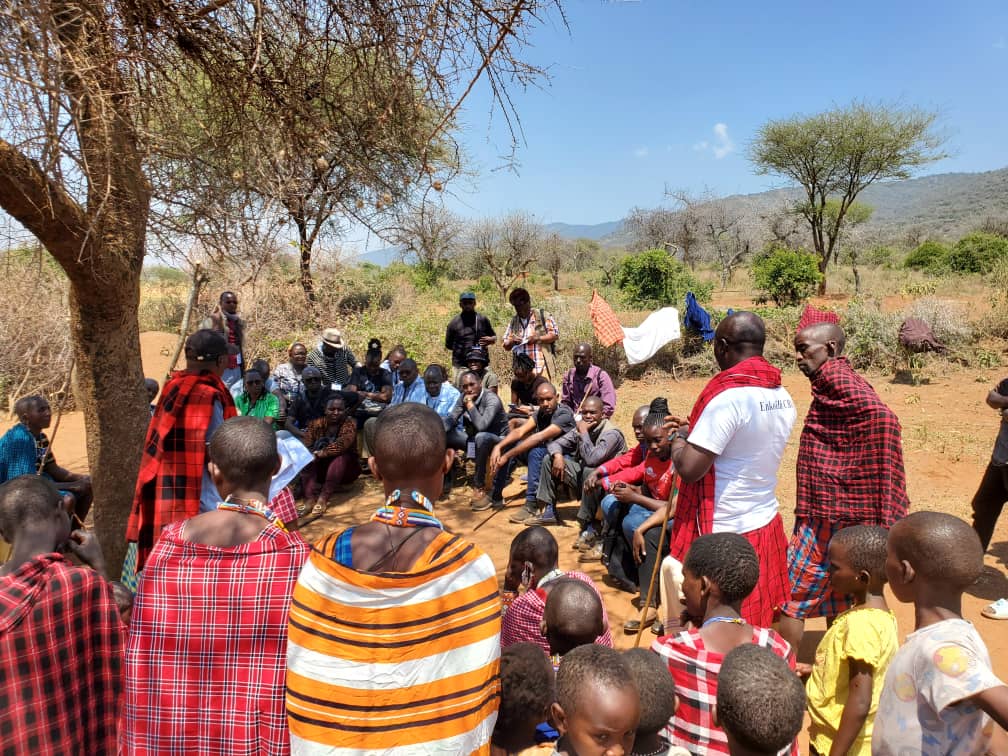
KPPC recognizes that knowledge is inherently collective, shaped by the perspectives and experiences within communities. Judgments and perceptions are influenced by the moral credit granted to sources within these communities.
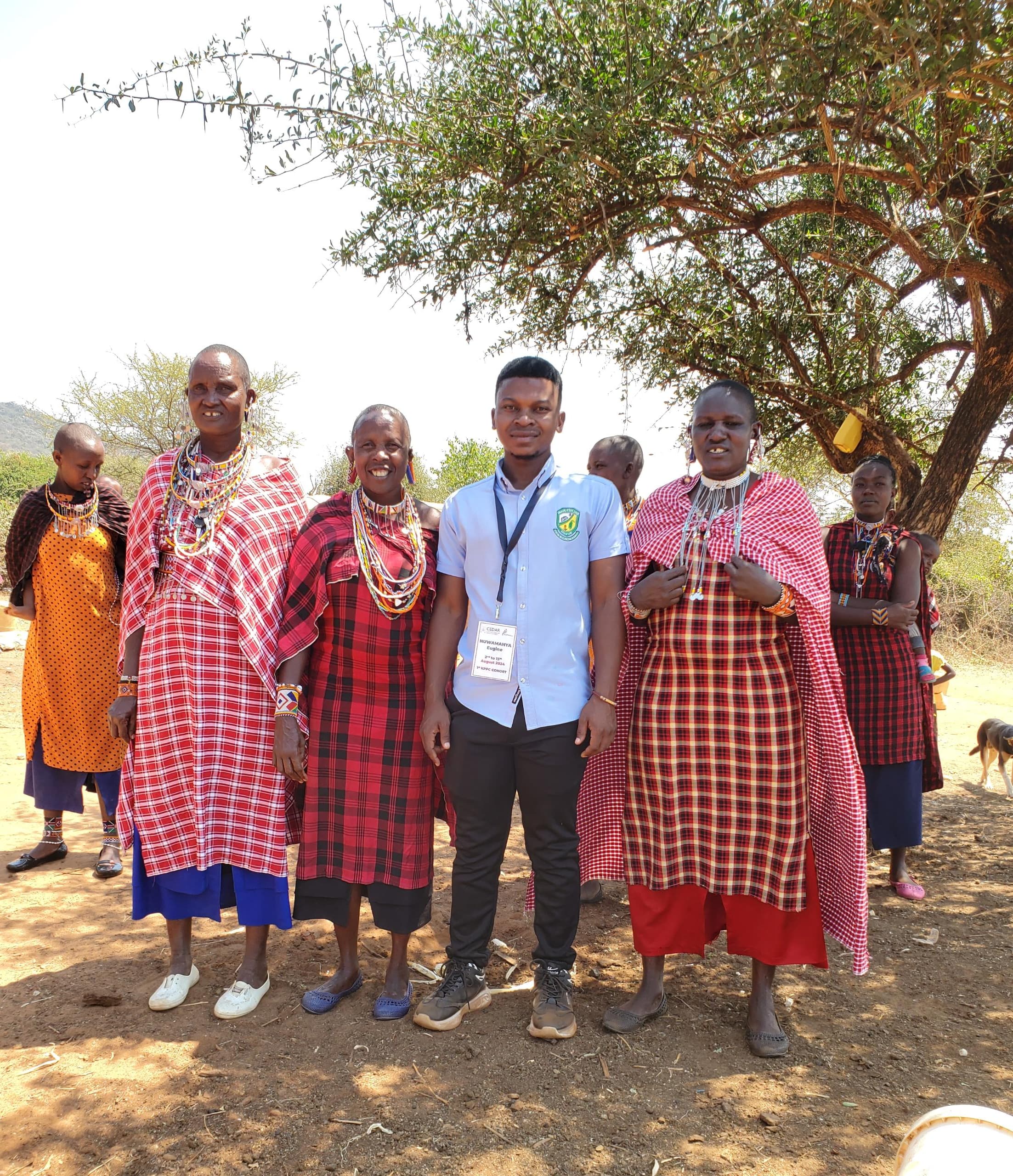
KPPC values the richness and complexity of communities, each with its own history, language, and boundaries. Rather than homogenizing differences, KPPC embraces the distinctiveness of each community of belonging.
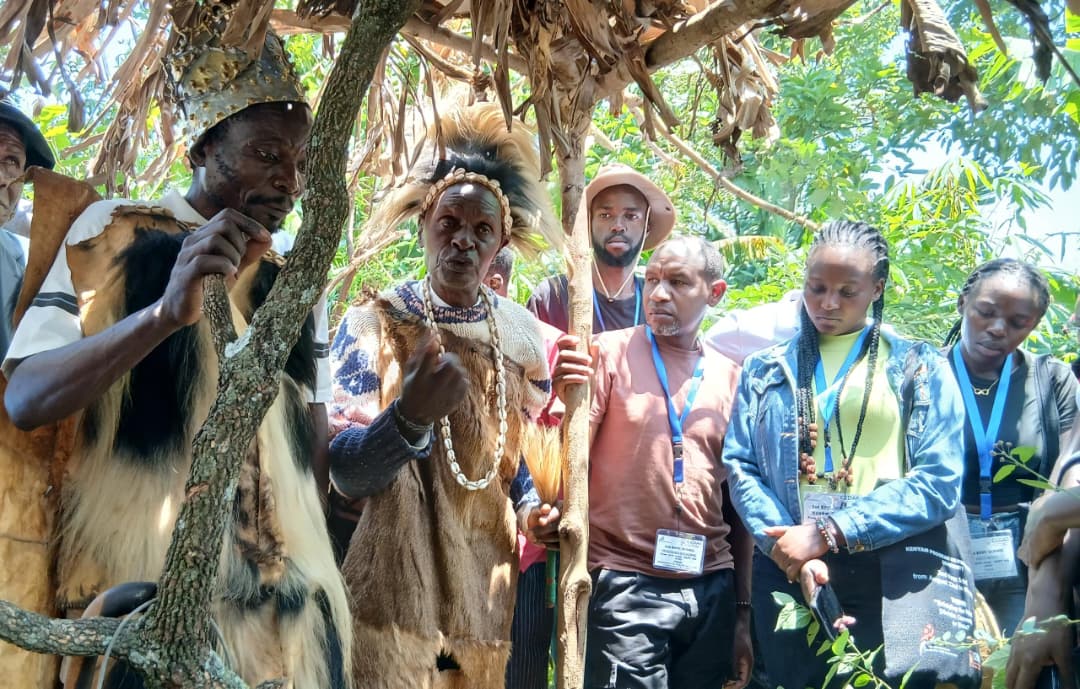
KPPC values the authenticity of diversity, understanding that differences are not obstacles but essential aspects of individual and collective identity. Through respectful engagement, KPPC fosters understanding and builds bridges across diverse communities.
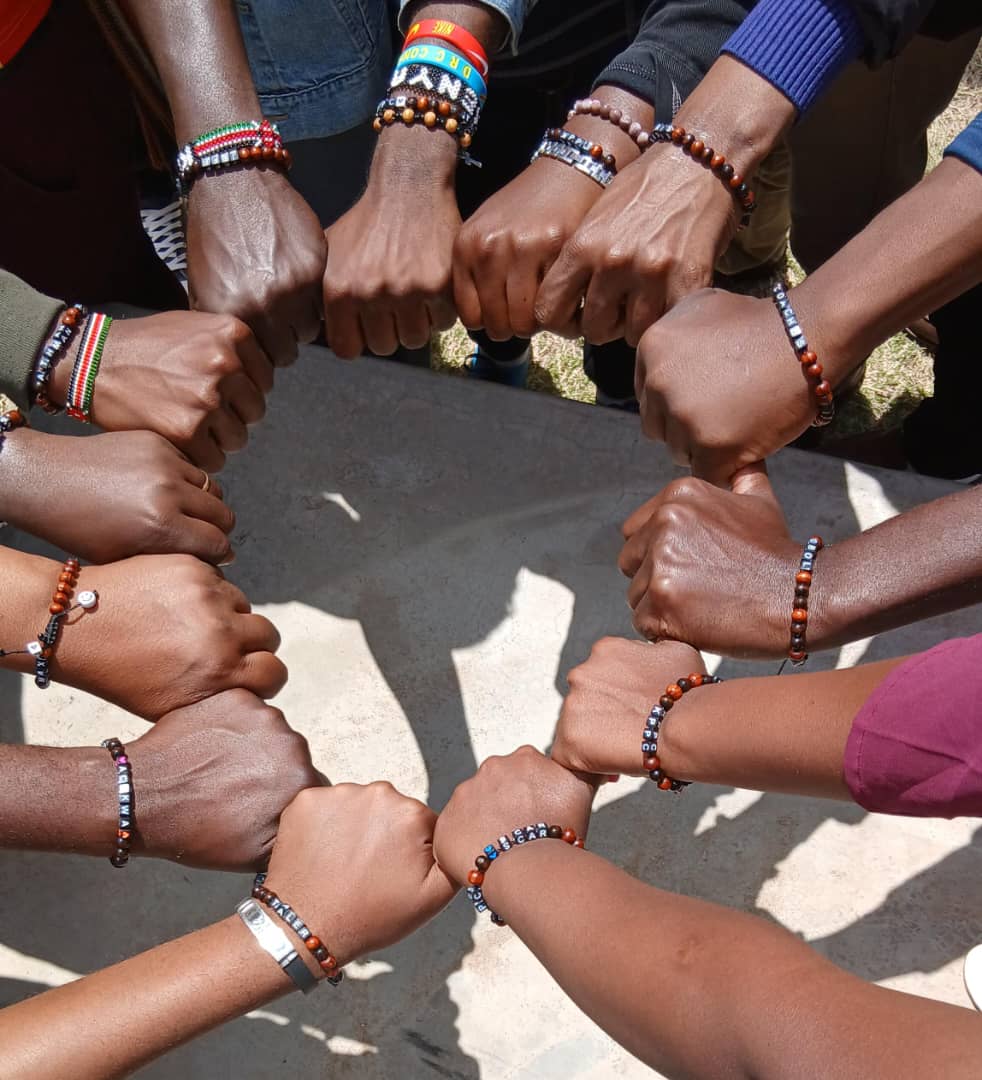
Central to KPPC's mission is the exploration of how trust can be cultivated across diverse communities. By creating shared experiences that honor individual particularities, KPPC seeks to establish a common framework of trust that transcends traditional boundaries.
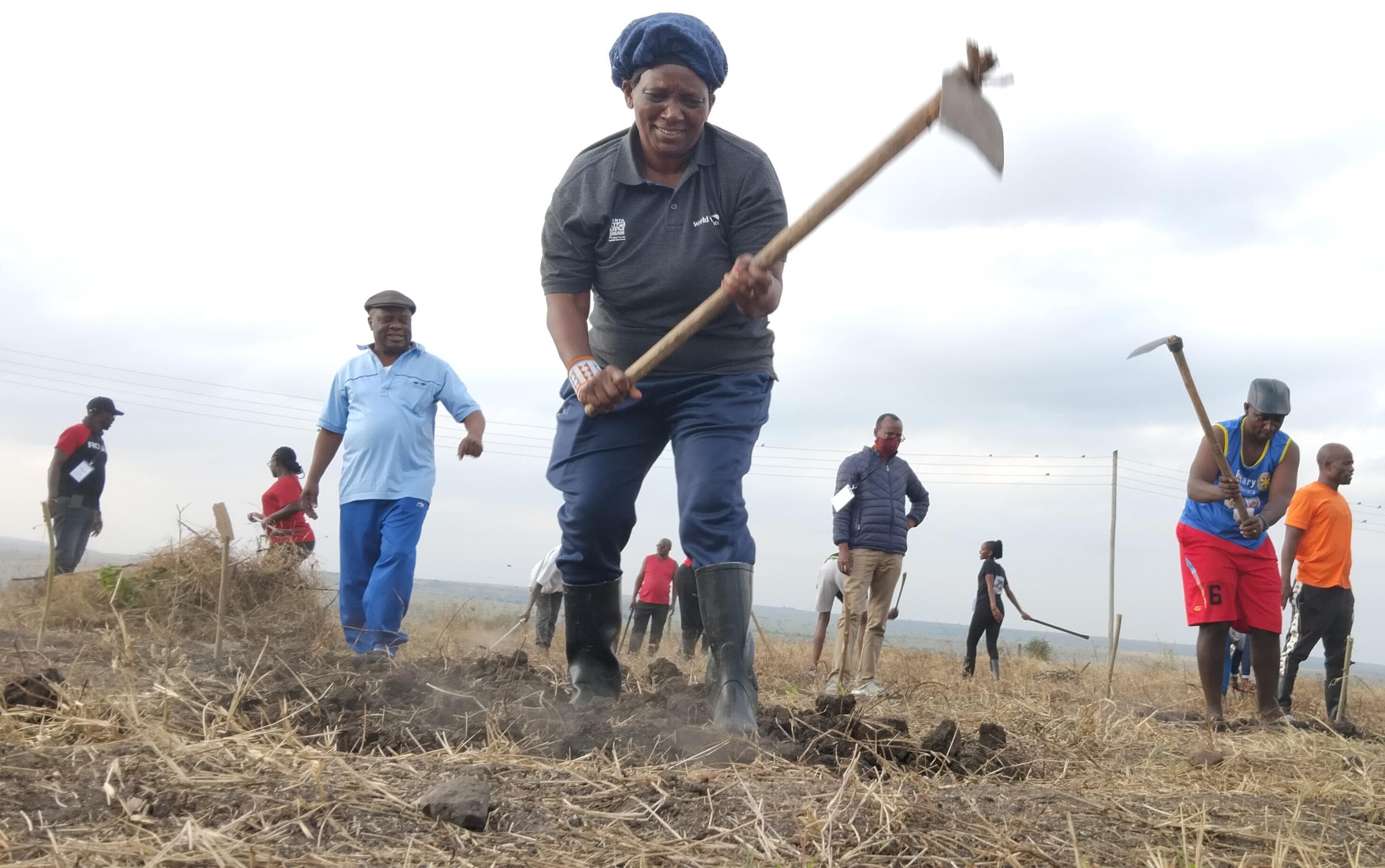
KPPC recognizes the power of shared experience in shaping perspectives and fostering empathy. Through embodied knowledge, participants engage in practical activities that promote mutual understanding and solidarity across communities of belonging.
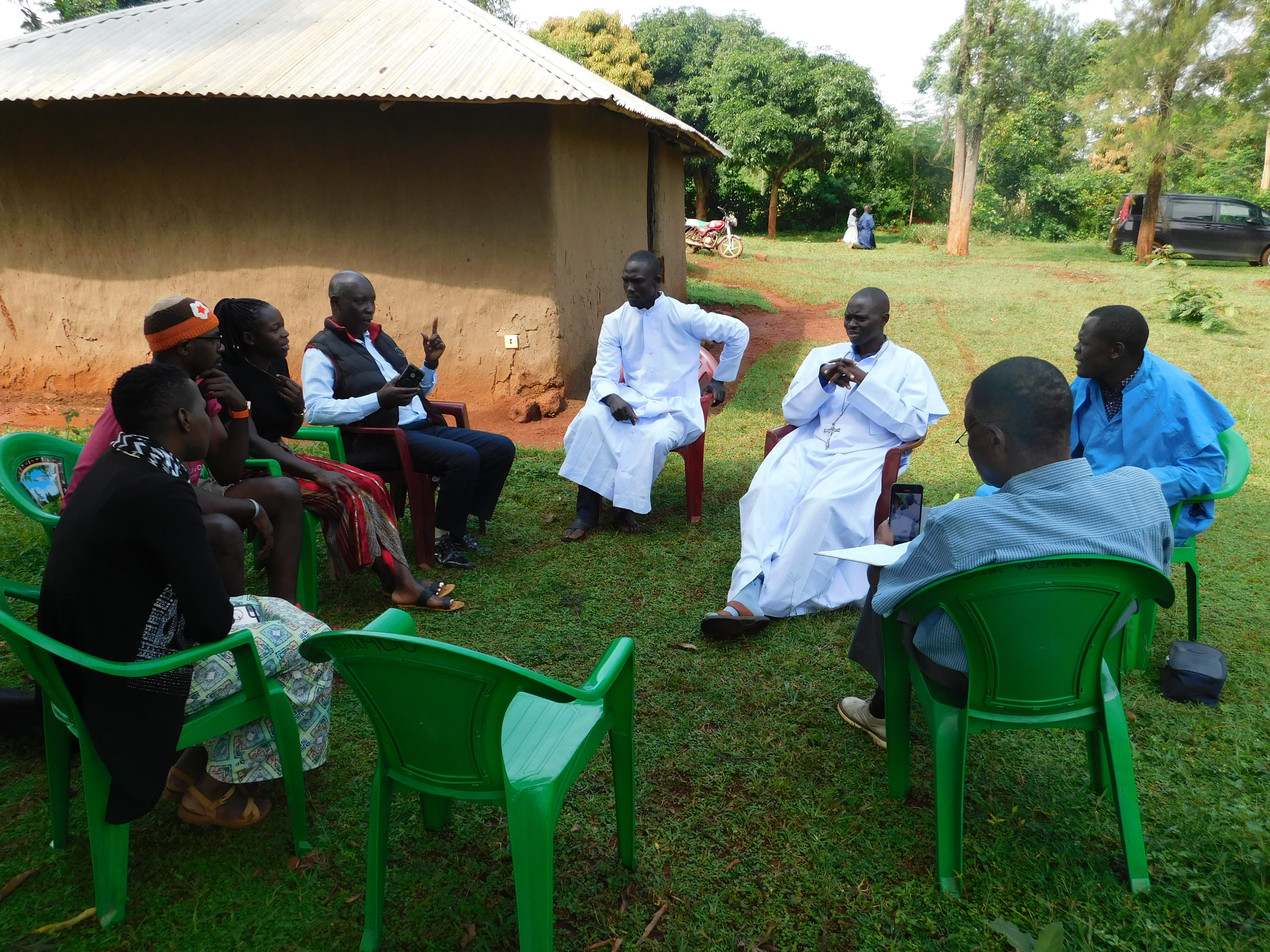
Because knowledge is collective, it is inseparable from trust. Much of what we accept as true depends on whom we trust to interpret morally complex events. In deeply divided societies, people may agree on basic facts yet interpret them differently based on ethnic, religious, political, or cultural belonging.
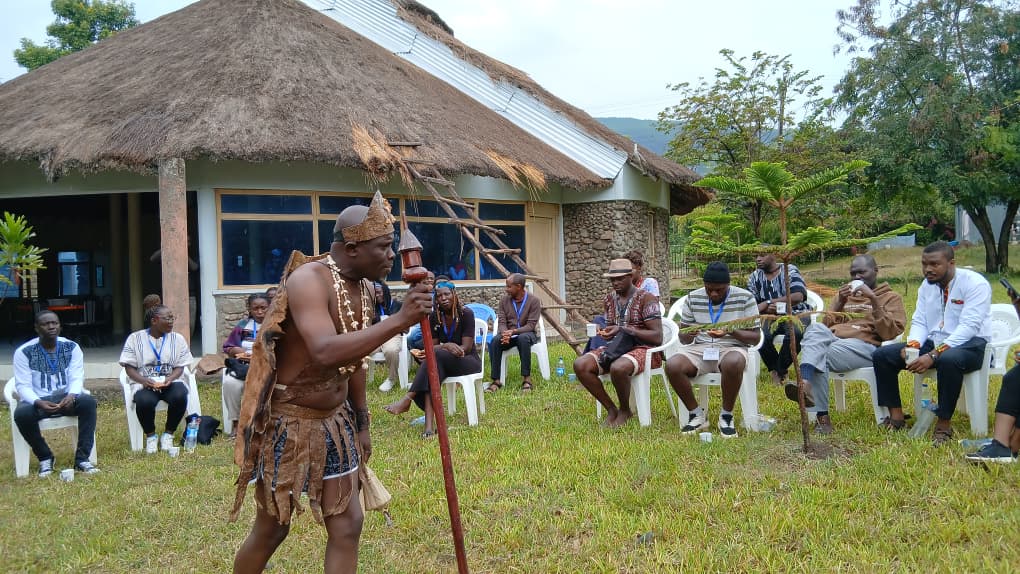
KPPC challenges participants to examine to what extent they can grant moral credit to those outside their own community. This involves learning to listen seriously to others’ narratives, histories, and interpretations, even when they are uncomfortable or challenge deeply held assumptions.
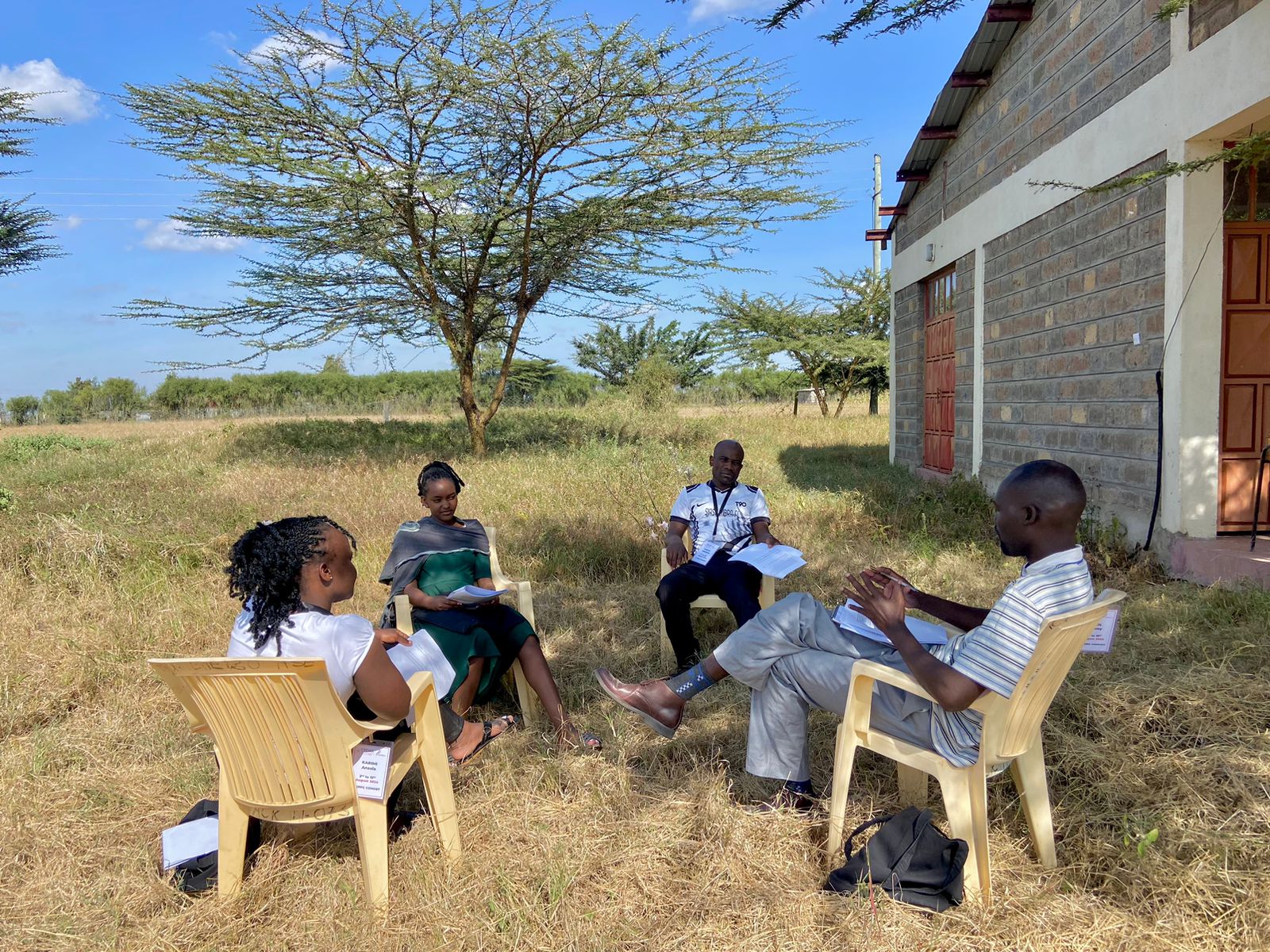
KPPC programs are designed around shared experiences that respect particular identities and obligations. Participants remain rooted in their own communities while engaging others—observing dietary needs, prayer practices, cultural norms, and personal boundaries. Trust grows not by erasing difference, but by encountering it in everyday life.
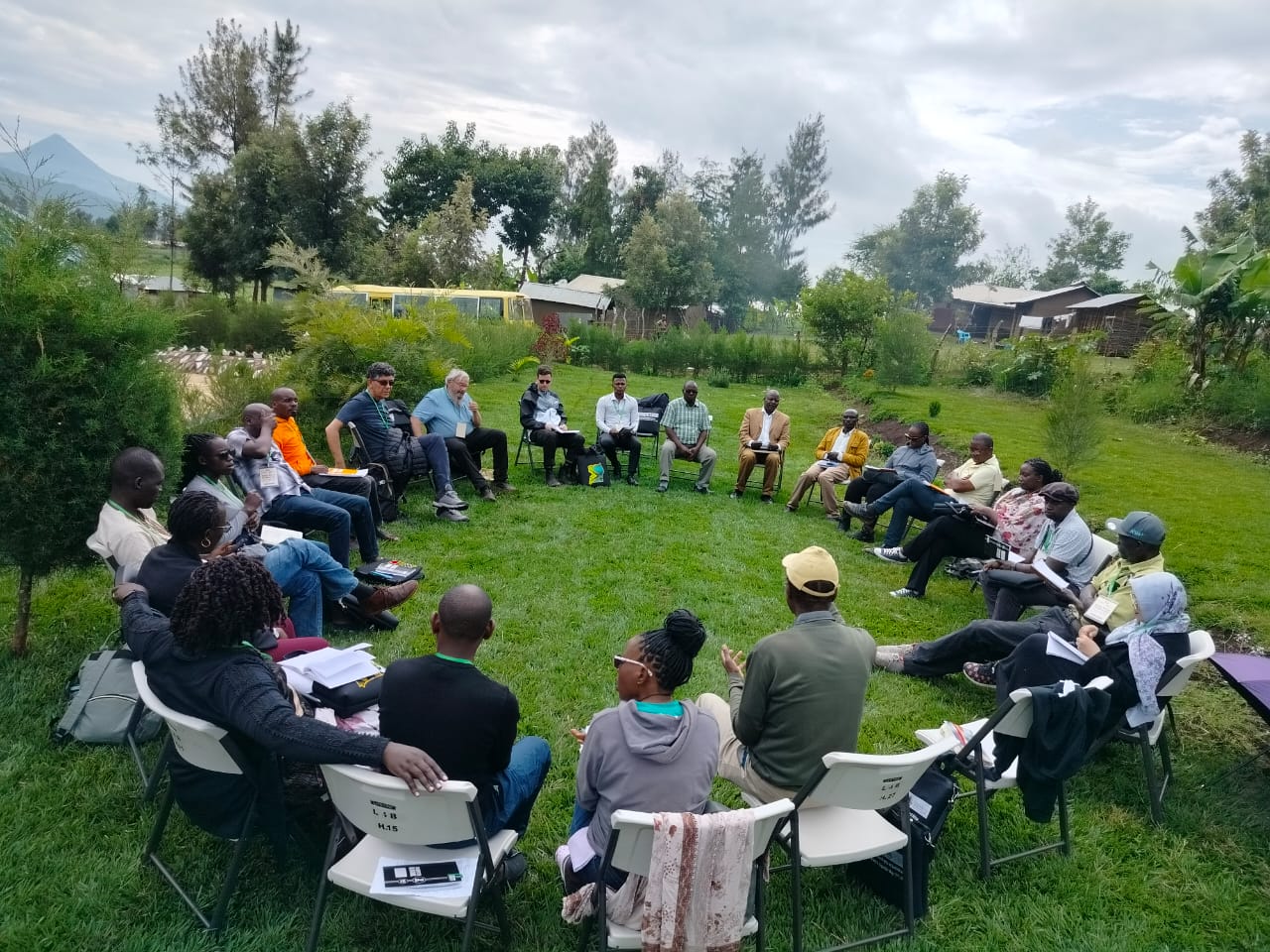
KPPC emphasizes practical, purpose-oriented knowledge. While deeply held beliefs may remain rooted within specific communities, conditional knowledge—knowledge directed toward shared goals—can be developed collectively. This shift from “knowledge of” to “knowledge for” enables cooperation without requiring uniformity.
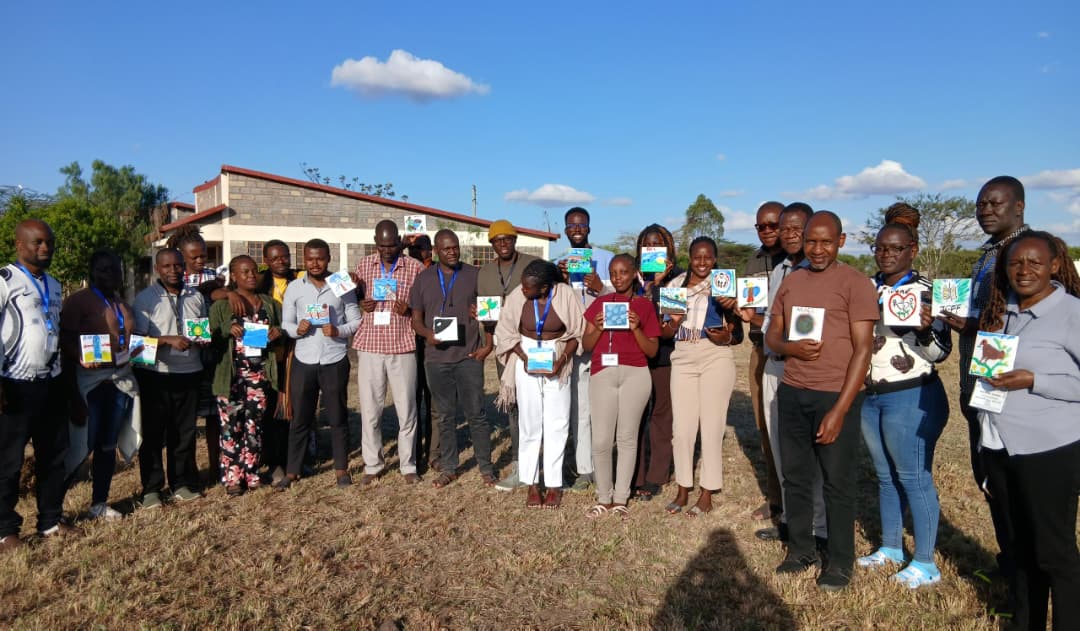
KPPC seeks two interrelated outcomes:
(a) to widen circles of trust, extending moral credit beyond one’s immediate community; and
(b) to reframe knowledge so that experience precedes judgment.
Together, these outcomes help individuals and communities develop the resilience needed to live
together peacefully amid enduring difference.
Join us in building a more inclusive and resilient society, one pedagogy at a time.
Get Involved Today